Paving Stone Installation Blog

Explore a selection of articles and guides to help you understand the best practices and techniques for installing paving stones effectively.

Paver Installation Paving Process Hardscape Installation Outdoor Surfaces
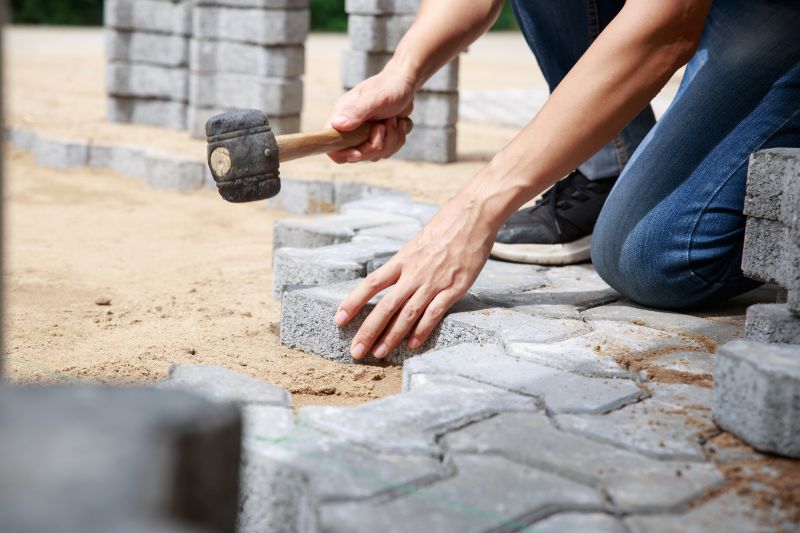
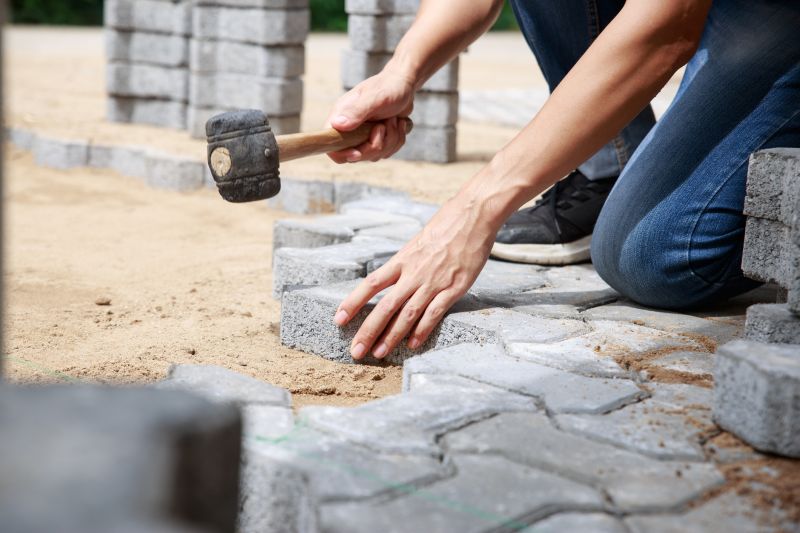
How The Paver Installation Process Works Step-By-Step

The paver installation process involves several key steps to ensure a durable and attractive surface. From site preparation to final sealing, understanding each phase helps in planning and achieving quality results for your paving project.
Read more
Interlocking Pavers Curb Appeal Commercial Property Paving Installation Landscaping
How Interlocking Pavers Enhance Commercial Curb Appeal

Interlocking pavers are a popular choice for commercial properties seeking to boost curb appeal. Their durability and aesthetic versatility make them ideal for driveways, walkways, and entryways. Expert installation ensures a polished look that can increase property value and attract customers or clients.

Read more
Interlocking Pavers Commercial Walkways Plazas Paver Installation Outdoor Surface
Why Interlocking Pavers Are Ideal For Commercial Walkways And Plazas

Interlocking pavers are a popular choice for commercial walkways and plazas due to their durability and visual appeal. They offer a low-maintenance surface that withstands heavy foot traffic and weather conditions, making them an excellent investment for business outdoor spaces. Proper installation ensures longevity and safety, contributing to an inviting environment for visitors and customers.

Read more
Hardscaping Drainage Pavers Landscape Water Management
How Paver Hardscaping Improves Drainage Around Your Home

Paver hardscaping can significantly enhance drainage around your home by creating effective water flow paths and reducing pooling. Local pros specialize in designing and installing paver solutions that improve landscape functionality and prevent water damage, ensuring a well-drained and attractive outdoor space.

Read more
Interlocking Pavers Paver Design Commercial Paving Paving Options
Design Options For Commercial Interlocking Paver Installations

Commercial interlocking paver design options offer a variety of styles and patterns to improve the look and durability of paved areas. Local professionals specialize in creating customized solutions that meet specific project needs and aesthetic preferences.

Read more
Paver Installation Walkway Stability Foundation Outdoor Paths
How Proper Base Installation Prevents Shifting Paver Walkways

Proper base installation is crucial to prevent shifting in paver walkways. Skilled installation provides a stable foundation, ensuring durability and a smooth surface over time. Proper preparation helps avoid costly repairs and maintains the walkway's appearance.

Read more
Interlocking Pavers Poured Concrete Commercial Property Hardscape Options
Interlocking Pavers Vs. Poured Concrete For Commercial Properties

This page compares interlocking pavers and poured concrete for commercial properties, highlighting their advantages, durability, and installation considerations. Find out which option suits your project needs best.

Read more
Interlocking Pavers High-Traffic Areas Commercial Paving Paver Installation
How Commercial Interlocking Pavers Improve High-Traffic Areas

Commercial interlocking pavers are an excellent choice for high-traffic areas, providing durability and aesthetic appeal. Proper installation by local pros ensures a resilient surface that can withstand heavy use and weather conditions, making them ideal for busy commercial spaces.

Read more
Hardscaping Paver Installation Outdoor Living Landscaping Patio Design
How Paver Hardscaping Transforms Outdoor Living Spaces

Paver hardscaping elevates outdoor living spaces by creating durable, attractive surfaces for patios, walkways, and more. Local professionals ensure expert installation for lasting quality and aesthetic appeal.

Read more
When To Get Paving Stone Installation

Selecting the appropriate season for paving stone installation ensures better results, durability, and proper curing. Optimal conditions vary by season, with spring, fall, and carefully planned summer suitable, while winter is generally avoided due to cold and snow.

Read more